Cultural Tapestry of Farewell: Cultural Traditions and Social Fabrics of Indian Funeral Customs
Wiki Article
Within the vibrant subcontinental heritage of India, traditions associated with honoring an individual's passing stand as a timeless testament to community devotion. In every corner of the subcontinent, the rites dedicated to paying final respects demonstrate unmatched grace, historical roots, and mutual support. Rather than focusing merely on loss, these ceremonies strengthen social continuity, uniting relatives, honoring elders, and passing down timeless values. The immediate hours following a person's passing are spent in thoughtful, dignified preparation. Close relatives assemble to carry out customary washing and dressing preserved within family lines. The individual is adorned in clean, elegant garments representing local artistic styles. In many traditions, classic white attire is selected, reflecting social balance, harmony, and pristine beauty. In other regional communities, garments with decorative embroidery or regional dyes are selected to celebrate an elder's wisdom and societal contributions. Fresh blossoms and natural garlands form a central element within these home observances. Artistically woven wreaths of sweet jasmine, brilliant marigolds, and fresh roses are presented by family members with deep affection. These floral decorations are far more than aesthetic adornments; they represent the vibrant beauty of life and the honor bestowed by the family. The gentle application of aromatic sandalwood paste, natural rosewater, and traditional herbal essences ensures an environment of supreme dignity, freshness, and cultural charm. A deeply moving and visually distinctive element of these traditional farewells is the solemn walk of honor from the household to the local ceremonial grounds. Known across various regions as a procession of honor, this movement through public space unites the broader neighborhood in mutual support. Fellow villagers and urban neighbors join together in front of the family home, garbed in white garments of respect showing total unity, equality, and shared respect. The rested individual is borne on a handmade platform crafted from sturdy local bamboo, decorated with fresh foliage and bright flowers. While the gatherers walk along the neighborhood paths, participants share the responsibility of bearing the weight. Sharing this physical task stands as a powerful symbol of communal respect, symbolizing that no family carries the weight of a farewell alone. In many regions, soft rhythmic beats from local instruments or classic brass arrangements enhances the journey, offering a graceful auditory backdrop that honors the individual's legacy within the public sphere. India's immense cultural diversity manifests clearly in the local variations that mark each district's traditional customs. Even as mutual respect and community participation stay identical throughout, the specific expressions vary dramatically from north to south, and east to west. After the main day of farewell, Indian cultural heritage dictates a structured period of home-based remembrance, typically lasting between ten and thirteen days. In this dedicated period, the domestic residence serves as a welcoming venue for visiting friends, distant relatives, and community members who drop in to share comfort and honor the family. Hospitality during this period is a vital cultural requirement. Simple, nutritious vegetarian meals are prepared daily in large quantities so every guest is comfortably welcomed and nourished. Sharing food in this manner encourages warm fellowship, helps visitors reflect on the individual's positive contributions, while guaranteeing that the family receives active help and daily supplies from neighbors. The final day of the memorial period is marked by a large-scale community feast and memorial gathering. Elders speak about the individual's life legacy and community service, ensuring that their oral history is transmitted to younger generations. Generous community donations—such as donating clothing to community members, distributing food to those in need, or supporting local educational initiatives—are carried out to celebrate the person's legacy, strengthening societal support systems and charitable values.
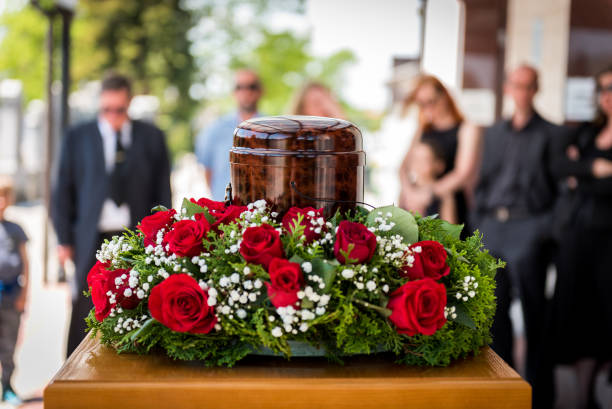
Hindu Burial Ground Adityanagra Families across India handle these dignified moments with warm hospitality and deep cultural devotion. Across both historic towns and modern neighborhoods, the collective gathering of relatives, neighbors, and friends underpins every step of the cultural farewell. These time-honored practices offer a meaningful space where loved ones share comfort, honor lived memories, and preserve personal accomplishments.
Loving Preparation and Aesthetic Elegance
The White Procession: Community Solidarity in Motion
Cultural Feature
Primary Material
Symbolic Value
Dress Code
Traditional White Attire
Reflects modest dignity and visual harmony.
Carrying Litter
Woven Bamboo and Foliage
Shows natural elegance and traditional utility.
Wreaths
Fresh Marigolds, Lotus, and Roses
Expresses high regard, warmth, and artistic beauty.
Herbal Preparations
Sandalwood Paste and Rosewater
Ensures sensory grace and natural care.
Regional Variations and Cultural Diversity
Dead Body Transportation in Hyderabad Regardless of whether the final rites use natural earthen placement or traditional fire settings, the emphasis stays firmly placed on cultural values of returning the physical form to nature's fundamental components through practices that prioritize environmental respect and cultural grace.
Hospitality, Remembrance, and Social Continuity
Conclusion: An Enduring Legacy of Respect
Sumanahalli Crematorium The funeral customs of India offer a rich tapestry of social values, artistic traditions, and profound community solidarity. By transforming a moment of farewell into a dignified celebration of cultural heritage, these traditions showcase the strength of human connection and collective support. Through beautiful floral arrangements, white-clad processions, regional artistry, and generous hospitality, Indian culture honors the journey of the individual while fortifying the enduring bonds of the community for generations to come.